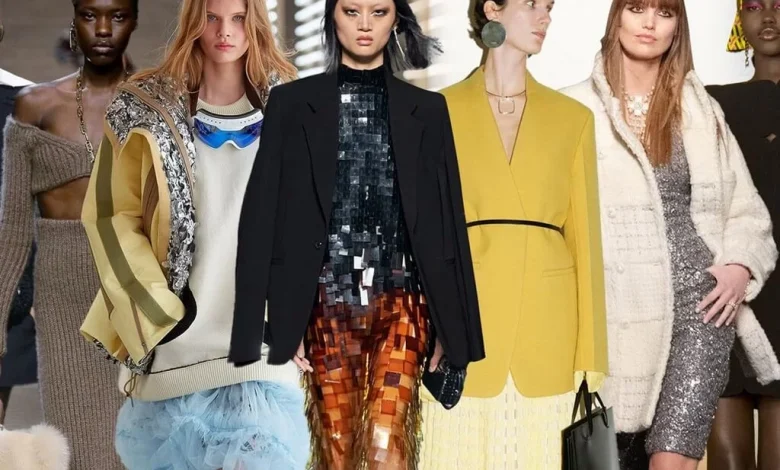
Introduction: The Quiet Shift in Fashion’s Luxury Landscape
Luxury fashion is undergoing a profound transformation. Once synonymous with excess, exclusivity, and overt branding, it is now evolving into something subtler, more mindful, and purpose-driven. This new movement, known as slow luxury, prioritizes craftsmanship, sustainability, and authenticity over speed and mass production. It’s not merely a design trend but a cultural shift redefining how prestige is expressed and experienced. The world’s discerning consumers are no longer dazzled by logos; they’re drawn to the story, process, and permanence behind each creation.
The Essence of Slow Luxury: Redefining Value
At its core, slow luxury stands on the foundation of intentional creation. Every product tells a story of skill, patience, and purpose. This concept challenges the notion that luxury must constantly reinvent itself each season. Instead, it celebrates timeless design and human artistry—an approach that prioritizes depth over novelty.
Core Pillars of Slow Luxury
-
Meticulous Craftsmanship: Artisans dedicate extraordinary time and attention to detail, ensuring that each piece is a masterpiece.
-
Sustainable Sourcing: Materials are chosen for both quality and environmental responsibility, often featuring traceable origins.
-
Transparency: Consumers are invited behind the curtain to understand how and where their garments are made.
-
Longevity: Designs are made to endure physically and stylistically, transcending fast-changing fashion cycles.
Slow luxury represents an evolution from consumption to curation—where owning fewer but more meaningful pieces becomes the ultimate symbol of sophistication.
From Logo Mania to Legacy: The Evolution of Desire
The luxury sector once thrived on visibility. The more recognizable a logo, the greater its perceived worth. But as modern consumers mature, they crave depth over display. A quiet rebellion against overt branding has given rise to discreet luxury—a refined aesthetic that whispers quality instead of shouting it.
Emerging Attributes of Modern Luxury
-
Subtle Branding: Discreet signatures and understated elegance are replacing oversized logos.
-
Personal Narrative: Consumers value the intimate connection to an item’s maker and story.
-
Cultural Preservation: Many slow luxury brands revive ancestral techniques and endangered crafts.
The modern luxury buyer is no longer impressed by the mere price tag. True prestige now lies in craftsmanship, scarcity, and sustainability—values that align with cultural intelligence rather than conspicuous consumption.
Sustainability as the New Status Symbol
For years, sustainability was treated as a buzzword, often sidelined by the glitz of luxury. But the narrative has shifted dramatically. Today’s elite consumers—especially millennials and Gen Z—are demanding environmental accountability and ethical integrity from their favorite brands. Owning a sustainably made piece has become a badge of responsibility, a mark of intelligence and social awareness.
High-end fashion houses are responding by adopting innovative approaches: regenerative agriculture for raw materials, circular design systems, and traceable production chains. This isn’t just good for the planet—it’s good business. The future of luxury lies in eco-exclusivity, where sustainability enhances desirability.
Technology’s Role in the Slow Luxury Renaissance
Though slow luxury is deeply rooted in tradition, technology has become an unlikely ally. Cutting-edge digital tools are now helping artisans, designers, and brands preserve craftsmanship while embracing innovation.
Technological Innovations Enhancing Slow Luxury
-
Blockchain Traceability: Ensures full transparency in the sourcing and production journey.
-
3D Design and Sampling: Reduces waste and minimizes the environmental impact of prototyping.
-
Digital Craft Archives: Preserve artisanal methods through detailed virtual documentation.
-
AI-Enhanced Customization: Enables personalized designs without mass production.
The synergy between craftsmanship and technology marks a new chapter where luxury becomes smarter, more transparent, and more sustainable without losing its soul.
The Art of Emotional Investment in Fashion
Slow luxury isn’t merely about physical durability—it’s about emotional longevity. Each piece carries emotional value, building an intimate bond with its owner. The experience of buying and wearing slow luxury is immersive and intentional, often involving direct engagement with the maker or a story that resonates personally.
This emotional connection transforms fashion into a lasting experience rather than a temporary indulgence. In this context, luxury becomes an heirloom of identity, a reflection of values passed through generations.
Case Study: The Rise of Heritage-Led Modern Brands
Across the globe, niche designers are carving new paths by integrating heritage craftsmanship with contemporary aesthetics. Brands from Japan, Italy, and Scandinavia are revisiting old-world techniques like hand-dyeing, weaving, and leather carving, but with minimalist modern silhouettes. The result is a quiet, elevated elegance—pieces that feel as culturally rich as they are modern.
Such brands are not just selling products; they’re reviving legacies. They show that modernity and tradition can coexist beautifully when guided by purpose and respect for craftsmanship.
The Business of Slow Luxury: Profit with Purpose
While the production model of slow luxury may appear less scalable, it thrives on a high-value, low-volume strategy. Consumers are willing to invest more in pieces that align with their values and stand the test of time. This approach fosters stronger customer loyalty and sustainable brand growth.
Moreover, by eliminating overproduction, slow luxury minimizes waste—a key differentiator in an era when excess inventory and discounting plague the luxury sector. Profitability is no longer tied to speed but to precision, integrity, and emotional resonance.
The Future Outlook: Where Slow Meets Smart
The trajectory of luxury fashion is moving toward hybrid craftsmanship—a delicate balance between ancient skill and technological advancement. The next generation of designers will not choose between sustainability and style; they will merge both seamlessly.
The industry’s evolution suggests that quiet luxury and slow fashion are not trends but timeless philosophies. As consumers continue to demand meaning, exclusivity will be redefined by purposeful creation rather than excess production.
FAQs about Slow Luxury Fashion
1. How does slow luxury differ from traditional luxury fashion?
Traditional luxury focuses on exclusivity and branding, while slow luxury emphasizes craftsmanship, sustainability, and transparency.
2. Are slow luxury brands more expensive?
They often are, but the higher cost reflects ethical production, superior materials, and enduring quality—making it a long-term investment.
3. Can technology and craftsmanship coexist in slow luxury?
Absolutely. Emerging technologies enhance efficiency and transparency without compromising artistry, enabling innovation that respects tradition.
4. What types of materials are commonly used in slow luxury?
Natural fibers like organic silk, ethically sourced wool, and plant-based dyes are common, ensuring both quality and sustainability.
5. How can consumers identify authentic slow luxury brands?
Look for traceable sourcing, transparent communication, small-batch production, and visible commitment to environmental and social responsibility.
6. Why is emotional connection important in slow luxury?
It transforms the act of purchase into a meaningful experience, fostering loyalty and a sense of personal attachment to each piece.
7. Is slow luxury the future of fashion?
Yes, as consumers grow more conscious, slow luxury will become the gold standard of modern sophistication—where ethics, beauty, and purpose coexist.

