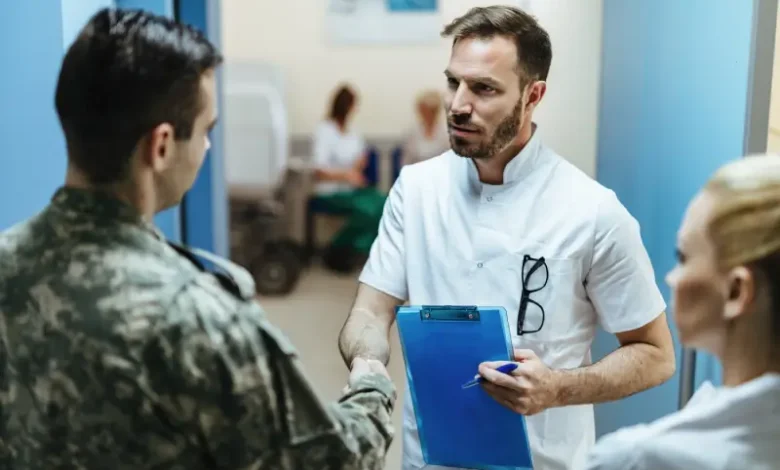
Serving in the Australian Defence Force is a commitment that can have lasting effects on an individual’s health and wellbeing. After transitioning to civilian life, many former service members find they need specific medical support that understands their unique experiences. This is why specialised healthcare for veterans is so fundamental. It provides care that is tailored to the distinct physical and mental health challenges that can arise from military service.
The Department of Veterans’ Affairs (DVA) in Australia recognises these specific needs and provides a framework for support. This includes a range of services designed to address conditions that are more common among the veteran community. Having access to dedicated Veteran Medical care ensures that former service members are treated by professionals who are knowledgeable about service-related health issues. This understanding helps in providing effective and empathetic treatment, which is essential for long-term health.
The experiences of military life can lead to complex health requirements. From musculoskeletal injuries sustained during training or deployment to the psychological impacts of service, veterans often face a combination of health concerns. A specialised healthcare approach considers these interconnected factors. It moves beyond general practice to offer integrated care plans that address both the body and mind, acknowledging that one often affects the other. This holistic view is vital for meaningful recovery and improved quality of life.
Mental health support is a significant component of this specialised care. Conditions such as post-traumatic stress disorder (PTSD), anxiety, and depression are prevalent among veterans. Healthcare providers with experience in this field can offer treatments that are informed by an awareness of military culture and the stressors of service. They create a safe environment where veterans feel understood, which can make a substantial difference in their willingness to engage with treatment and their overall progress.
Furthermore, specialised services assist veterans in managing chronic conditions. Issues like hearing loss from noise exposure or chronic pain from old injuries require ongoing management. A healthcare provider who understands the context of these injuries can develop better management strategies. They can connect veterans with the right specialists, allied health professionals, and support programs available through the DVA system.
In conclusion, providing specialised healthcare for Australian veterans is a responsibility we have to those who have served the nation. It ensures they receive considerate, informed, and effective care that addresses their specific health needs. By focusing on a model of care that understands the veteran experience, we can help former service members achieve better health outcomes and a smoother transition into civilian life. This dedicated support honours their service and affirms their value within our community.