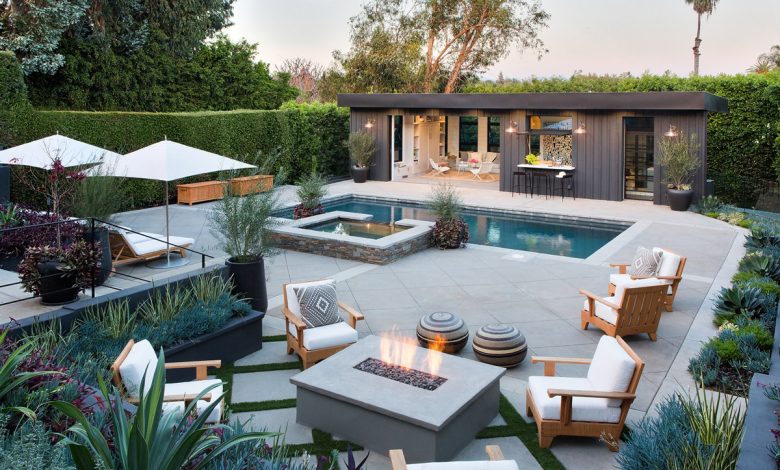
Crafting Your Dream Oasis: Understanding Landscaping Design Principles
The Importance of Spatial Planning in Landscaping
Spatial planning is a foundational principle in landscaping that centers around the effective and strategic arrangement of outdoor spaces. A well-executed layout addresses how different areas interact, ensuring functionality while creating aesthetic appeal. As one embarks on transforming a yard into a dream oasis, considering factors such as privacy, sun exposure, and views can dramatically enhance the outdoor experience. For instance, placing seating areas near vibrant flower beds can create an inviting atmosphere, while hardscaping elements like pathways can guide movement and offer structure. Moreover, spatial planning aids in managing scale—balancing large features with smaller ones to avoid overwhelming the viewer. When approached skillfully, spatial planning not only optimizes the land’s utility but also immerses individuals in a cohesive environment that harmonizes with nature. Ultimately, the key to successful spatial planning lies in envisioning the final outcome and creatively arranging elements for both functionality and beauty.
Incorporating Native Plants for Sustainable Beauty
The integration of native plants into landscaping designs is a powerful way to enhance sustainability while celebrating local ecosystems. Native plants are species that naturally thrive in a specific area, requiring significantly lower maintenance and fewer resources than non-native varieties. By choosing plants adapted to local conditions, landscapers can create gardens that flourish without excessive irrigation, pesticides, or fertilizers. Furthermore, these plants provide critical habitats for regional wildlife, fostering biodiversity. For example, native wildflowers can support pollinators such as bees and butterflies, which are essential for the health of our ecosystem. Selecting native plants also aligns landscaping efforts with sustainable practices, contributing to ecological resilience by reducing the risks of invasive species spread. In summary, incorporating native flora into landscape design fosters a relationship that respects and strengthens the environment while offering unparalleled beauty that changes harmoniously with the seasons.
Making the Most of Your Outdoor Space: Zoning and Functional Areas
Zoning in landscaping distinguishes various functional areas—creating distinct experiences throughout an outdoor space while maintaining a cohesive aesthetic. Effective zoning involves identifying specific purposes for different sections of a yard, such as areas for relaxation, entertainment, gardening, or play. For instance, a well-designed backyard may include a serene reading nook surrounded by soft greenery, a vibrant dining area complete with an outdoor kitchen, and a playful zone featuring a fire pit or water feature. Such segmentation encourages users to engage with the space meaningfully, allowing for both solitude and social interaction. Landscape professionals often rely on visual cues, such as changes in elevation, landscaping materials, and plant arrangements to define these zones. This strategic delineation not only optimizes land use but also invites creativity through the personalization of each area, ultimately enhancing the functionality and enjoyment of outdoor living.
Transformative Features: Adding Value with Outdoor Elements
Water Features that Enhance Serenity and Appeal
Water features are transformative elements that bring a unique serenity, visual interest, and luxury to landscaping. Options range from tranquil ponds and bubbling brooks to grand fountains or elegant waterfalls, each contributing a different ambiance to the environment. The sound of flowing water has a calming effect that can drown out urban noise, inviting stillness and relaxation. Moreover, water features can be designed to attract wildlife, creating vibrant ecosystems that encourage frogs, birds, and butterflies to visit. When strategically placed, they can serve as focal points in the landscape or facilitate a natural flow between other garden elements. A well-planned water feature not only enhances aesthetic beauty but also increases property value. Over time, the inclusion of such elements has proven to yield return on investment, making them a wise choice for homeowners interested in maximizing resale value while also enjoying the immediate tranquility they provide.
Outdoor Lighting: Setting the Mood for Evening Gatherings
Outdoor lighting plays a pivotal role in extending the usability of outdoor spaces into the evening hours while establishing mood and safety. Effective lighting design harmonizes with landscape features, accentuating the natural beauty of plants and structures. Techniques such as uplighting, downlighting, and path lighting create layers of illumination, guiding movement and highlighting focal points like sculptures or trees. Additionally, smart lighting options allow homeowners to control brightness and color temperature, tailoring the ambiance according to mood or occasion. Consider ambient LED bulbs for warm gatherings or colorful hues for festive events. A thoughtfully designed lighting scheme not only enhances safety—illuminating walkways and staircases—but also creates a cozy and inviting atmosphere where friends and families can gather for evening meals, celebrations, or quiet moments under the stars. Each light source contributes to a narrative, inviting exploration and engagement in the outdoor environment.
Hardscaping: The Art of Integrating Structure and Nature
Hardscaping encompasses the non-plant elements of landscape design, such as patios, walkways, retaining walls, and stone features. As vital components of outdoor spaces, these structures provide functionality, stability, and aesthetic appeal while cleverly integrating with natural surroundings. Utilizing a variety of materials—such as natural stone, pavers, or wood—hardscaping can enhance the visual character of a garden, adhering to both traditional and modern design aesthetics. For example, a stone patio can seamlessly meld with surrounding plant life, mimicking the natural contours of the land. Moreover, effective hardscaping promotes water drainage and soil stability, helping to manage stormwater runoff and prevent erosion. When skillfully executed, hardscaping elements serve as the backbone of landscape design, offering both utility and an upper hand in creating visually engaging outdoor environments that invite exploration and enjoyment.
Seasonal Maintenance: Keeping Your Landscape Flourishing Year-Round
Smart Irrigation Techniques for Every Climate
Effective irrigation is key to maintaining a thriving landscape across seasons, particularly as climates become more unpredictable. Smart irrigation systems are designed to deliver water efficiently, responding to the specific needs of plants while conserving resources. Technologies like drip irrigation provide targeted water delivery directly to the roots of plants, significantly reducing waste and evaporation. Additionally, rain sensors can automate watering schedules based on recent precipitation, ensuring that plants are not overwatered. Homeowners should also consider implementing xeriscaping principles that utilize drought-resistant plants and mulch to retain soil moisture. Such techniques not only promote healthy landscapes but also minimize water expenditure, contributing to sustainable practices within environmental stewardship frameworks. As climate dynamics continue to evolve, adapting irrigation strategies becomes essential, allowing landscapes to flourish despite changing conditions and reinforcing the interconnection between water management and plant health.
Pruning and Plant Care: The Science Behind a Pristine Landscape
Regular pruning and plant care are crucial for maintaining a healthy and visually appealing landscape. Pruning involves the selective removal of plant parts, such as branches, buds, or roots, to encourage growth, increase air circulation, and enhance sunlight penetration. Understanding the specific needs of each species is vital, as improper pruning can lead to disease and stunted growth. Seasonal pruning practices, timed according to flowering periods and growth cycles, ensure that plants remain robust and vibrant throughout the year. Moreover, plant care extends beyond pruning to include appropriate fertilization, mulching, and pest management. A well-maintained landscape not only thrives visually but can serve as an ecological sanctuary, fostering biodiversity by offering habitats for beneficial insects and wildlife. Regular check-ups and maintenance can avert potential issues, contributing to the longevity and sustainability of your outdoor space while allowing its charm to shine through.
Seasonal Color: Choosing Plants that Thrive Throughout the Year
A vibrant landscape is often defined by the seasonal color associated with the choice of plant species. By selecting a mix of perennials, annuals, and evergreens, homeowners can ensure that their gardens exhibit beauty and interest across all four seasons. Early spring blooms such as crocuses and daffodils provide a bright welcome after winter, while summer brings the lushness of hydrangeas and daisies. In autumn, foliage transitions into a tapestry of reds and golds, offering a scenic display that captivates the senses. Moreover, winter interest can be achieved through evergreens and vibrantly colored bark or berries. Striking a balance between seasonal perennials and maintaining year-round visual interest fosters a dynamic landscape. Choosing plants that suit the climate and soil conditions of an area is paramount; selecting the right species leads to successful growth patterns, vibrant color displays, and a cohesive garden narrative that evolves beautifully with each season.
Finding the Right Landscaping Experts: Your Guide to Professional Services
What to Look for in a Quality Landscaping Contractor
Finding the right landscaping services is a crucial step in achieving your desired outdoor transformation. A quality contractor will not only possess extensive knowledge of horticulture and landscape design but also maintain a strong portfolio showcasing their previous work. Look for professionals who hold relevant certifications or memberships in professional organizations, as these credentials signify a commitment to best practices and ongoing education. Establishing a personal connection is equally important; a good contractor listens to the homeowner’s vision and provides constructive feedback, fostering a collaborative relationship. Moreover, check reviews and testimonials to gauge past client satisfaction and reliability. Requesting a detailed estimate and discussing project timelines upfront helps set expectations clearly. Ultimately, selecting a contractor is about aligning their expertise with your aspirations, ensuring a seamless execution of your landscape project.
Questions to Ask Before Hiring: Setting Clear Expectations
Before finalizing any landscaping contract, it is vital to engage in thorough discussions to clarify expectations and project details. Start by asking the contractor about their design process and how they incorporate client ideas into their projects. Inquire about their experience with specific landscaping styles or elements you envision for your space, allowing you to gauge the contractor’s versatility and expertise. It’s also essential to clarify their approach to project management: who will be on-site, how many team members will be involved, and methods of communication throughout the process. Don’t hesitate to seek clarification regarding timelines, warranties, and anticipated maintenance after project completion. This dialogue not only fosters transparency but also provides a mutual understanding that can prevent misunderstandings later on. Being informed and proactive in your questions ensures that your vision aligns seamlessly with the implemented landscape design.
The Value of a Collaborative Design Process
A collaborative design process is immensely beneficial, paving the way for innovative ideas and personalized elements that resonate with homeowners’ lifestyles and preferences. This approach involves open communication between the client and the landscaping professional at every stage of the project—from concept development through to execution. By discussing ideas, sharing inspiration, and setting realistic goals collaboratively, both parties can ensure that the final design accurately reflects the homeowner’s vision while also harnessing the expert insights of the landscaper. Utilizing 3D modeling or renderings can provide visual insights, enabling clients to conceptualize the space effectively. Additionally, collaboration encourages flexibility, allowing for adjustments based on budget and site-specific challenges, ultimately resulting in a tailored landscape that fulfills both aesthetic desires and functional needs. Engaging in a collaborative design process creates a meaningful partnership that not only enriches the project outcome but also enhances the overall experience of transforming your outdoor space.
FAQ
Question: How do I choose the right plants for my landscape? – Selecting the right plants involves considering local climate, soil conditions, and the specific light requirements of each plant. Opting for a mix of perennials, annuals, and evergreens can also enhance seasonal vibrancy and interest.
Question: What are the benefits of hardscaping in landscaping? – Hardscaping provides structure and stability, enhances visual appeal, and facilitates proper drainage in landscapes. It includes elements such as patios, walkways, and retaining walls, which can define spaces and complement surrounding greenery.
Question: How can I ensure my irrigation system is efficient? – To ensure efficiency, consider installing smart irrigation systems that can adjust watering schedules based on rainfall and plant needs. Drip irrigation can also target water specifically to plant roots, reducing waste.
Question: What role does outdoor lighting play in landscape design? – Outdoor lighting enhances safety by illuminating pathways, creates an inviting atmosphere for evening gatherings, and highlights key features of the landscape. A well-planned lighting scheme can transform the usable space after dark.
Question: How frequently should I maintain my landscape? – Regular maintenance should be performed at least seasonally, including tasks like pruning, watering, and inspections for pests or disease. More intensive maintenance may be required depending on the type of plants and landscape features involved.
Question: How do I integrate water features into my landscape design? – When integrating water features, consider the size and style that best fit your space. They should be placed in areas that enhance the overall visual flow and can attract wildlife while fitting within the aesthetic of your garden.
Question: What can I do to improve the biodiversity in my landscape? – To improve biodiversity, incorporate native plants that provide habitats for local wildlife. Creating a varied landscape with multiple plant types also supports different species and contributes to ecological resilience.
Question: What should I expect during the landscaping process? – Throughout the landscaping process, expect initial consultations to discuss your vision, design mock-ups or plans from the contractor, and ongoing communication regarding progress, challenges, and adjustments to ensure the final design meets your expectations.
Useful Resources
- American Horticultural Society
- eXtension – Cooperative Extension
- National Audubon Society
- National Wildlife Federation
- Professional Landcare Network (PLANET)
- Arbor Day Foundation
- org
- Natural Wildlife Federation