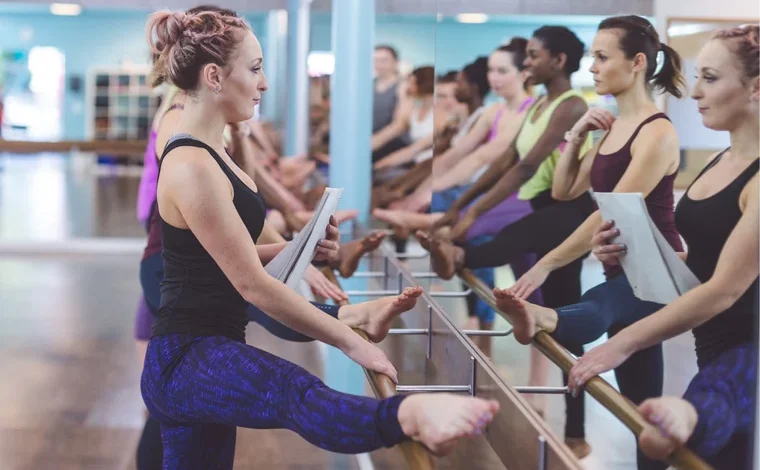
In fitness culture, intensity often gets all the attention. High effort sessions, extreme challenges, and short bursts of motivation are commonly promoted as the fastest way to results. However, for working adults in Singapore, this approach frequently leads to fatigue, inconsistency, or injury. Over time, it becomes clear that sustainable progress depends far more on consistency than intensity alone. This is where structured workout classes demonstrate a clear advantage.
Workout classes are designed to support regular participation over months and years, not just weeks. They prioritise steady progress, habit formation, and physical resilience, which ultimately deliver better long-term outcomes for strength, fitness, and overall wellbeing.
Why High Intensity Alone Fails Most People
Intense workouts can feel productive in the short term, but they are difficult to maintain alongside demanding work and personal commitments. Many people push too hard, too often, without adequate recovery.
Common outcomes of intensity focused training include:
-
Early burnout and loss of motivation
-
Increased injury risk
-
Long gaps between workouts
-
Inconsistent performance levels
Without a system that encourages regular participation, even the most motivated individuals struggle to stay on track.
The Power of Consistency in Physical Adaptation
The human body adapts best to repeated, manageable stress over time. Consistency allows muscles, joints, and the nervous system to strengthen gradually and safely.
How Regular Classes Drive Continuous Adaptation
Workout classes create a predictable rhythm of movement. Attending sessions multiple times a week exposes the body to consistent stimuli that encourage adaptation without overwhelming it.
Key adaptations supported by consistency include:
-
Improved muscular endurance
-
Gradual strength gains
-
Enhanced joint stability
-
Better movement efficiency
These changes accumulate over time and lead to lasting results.
Habit Formation Through Structured Schedules
Classes remove the guesswork from training. Fixed schedules and guided sessions make exercise a regular part of weekly routines rather than an optional activity.
This structure helps participants:
-
Reduce decision fatigue
-
Plan workouts around work commitments
-
Maintain momentum during busy periods
Once attendance becomes habitual, results follow naturally.
Why Workout Classes Encourage Sustainable Effort
Unlike self directed training, classes are designed to balance effort and recovery within each session and across the week.
Managed Intensity Levels
In well programmed classes, intensity fluctuates intentionally. High effort segments are balanced with recovery phases, allowing participants to work hard without exhausting themselves.
This approach:
-
Reduces excessive strain on joints
-
Prevents nervous system overload
-
Supports consistent attendance
Participants leave sessions feeling challenged but capable of returning for the next class.
Reduced Pressure to Perform
Training alone often leads to unrealistic expectations and self comparison. Classes shift the focus away from constant personal records and toward steady participation.
This mindset reduces stress and encourages people to show up even on lower energy days, which is essential for long-term progress.
Consistency and Injury Prevention Go Hand in Hand
One of the biggest benefits of consistent training is reduced injury risk. Sporadic intense workouts place sudden stress on the body, while regular moderate training allows tissues to adapt gradually.
Strengthening Supporting Structures
Consistent workout classes strengthen not only muscles, but also tendons, ligaments, and stabilising muscles. These structures require time and repeated exposure to stress to adapt.
Over time, this leads to:
-
Improved joint resilience
-
Better balance and coordination
-
Reduced likelihood of strains
Avoiding the Stop Start Cycle
Many people experience a cycle of intense training followed by injury or exhaustion, leading to long breaks. Classes break this cycle by encouraging steady participation rather than extreme effort.
Psychological Benefits of Consistent Class Attendance
Fitness progress is not purely physical. Mental factors play a major role in long-term success.
Motivation Through Routine
When exercise becomes routine, motivation is no longer the primary driver. Classes create external structure that supports attendance even when motivation is low.
This consistency builds confidence and reinforces positive habits.
Reduced Mental Load
Planning workouts, tracking progress, and deciding when to push harder can be mentally draining. Classes remove much of this burden, allowing participants to focus on execution rather than decision making.
Measuring Progress Beyond Intensity
One reason people chase intensity is the belief that harder workouts equal better results. Workout classes redefine progress in more meaningful ways.
Performance and Recovery Improvements
Progress in classes is often seen through:
-
Improved movement quality
-
Faster recovery between intervals
-
Greater control during exercises
-
Increased confidence with challenging options
These indicators reflect real improvement, even if workouts do not feel extreme.
Attendance as a Success Metric
Showing up consistently is itself a powerful measure of progress. Regular attendance correlates strongly with long-term health and fitness outcomes.
Why Consistency Fits the Singapore Lifestyle
Singapore’s fast paced work culture leaves little room for erratic fitness routines. Workout classes integrate well into structured schedules and busy lives.
Time Efficient Training
Classes are time bound and efficient. Participants know exactly how long sessions last, making it easier to plan around work and family commitments.
Social Accountability
Group settings encourage attendance through shared commitment. Knowing others expect you to show up can be a strong motivator, especially after long workdays.
At True Fitness Singapore, class schedules and programming are designed to support this balance between challenge and sustainability, helping members prioritise consistency without sacrificing results.
Building Long-Term Results Through Class Variety
Consistency does not mean repeating the same session endlessly. Classes introduce variety while maintaining structure.
This balance:
-
Prevents boredom
-
Reduces overuse injuries
-
Encourages balanced development
Participants stay engaged while continuing to progress steadily.
Real-Life FAQs
Q: Is it better to attend moderate workout classes regularly than intense classes occasionally?
A: Yes. Regular moderate training supports consistent adaptation and reduces injury risk, leading to better long-term results.
Q: How many workout classes per week are ideal for consistency?
A: Three to five classes per week works well for most adults, depending on intensity and recovery needs.
Q: Can I still improve fitness without pushing to maximum intensity every class?
A: Absolutely. Improvements come from repeated exposure to manageable challenges rather than constant maximal effort.
Q: What if my energy levels vary from week to week?
A: Classes accommodate fluctuating energy levels by offering intensity options, allowing continued participation without burnout.
Q: How long before consistent classes show visible results?
A: Many people notice improved energy and movement within weeks, with visible physical changes developing over several months of steady attendance.


