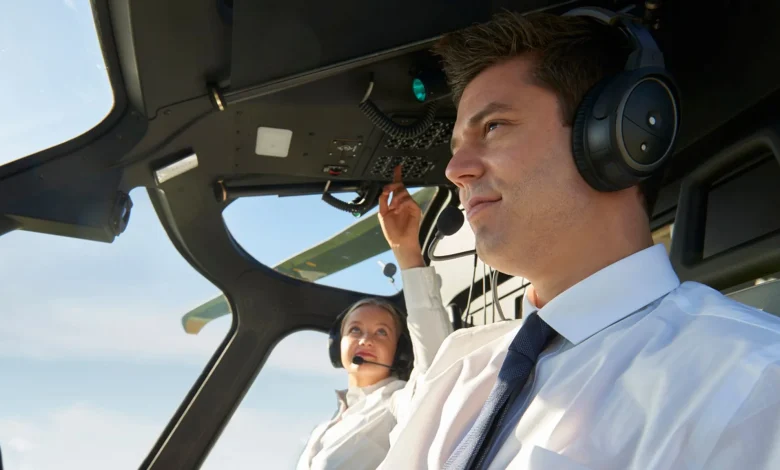
Aviation has always been a field defined by precision, discipline, and continuous learning. Pilots, technicians, and aviation students commit to mastering complex systems and procedures that keep aircraft operating safely. For decades, this learning took place almost entirely in classrooms, simulators, and on-site training facilities. Today, online platforms have reshaped the landscape. Aircraft training online has grown from a convenient supplement into a fully developed ecosystem that supports every stage of a pilot’s education.
This shift is not just about digital convenience. It reflects larger changes in how aviation professionals approach knowledge, certification, and skill development. As aircraft evolve and regulations grow more detailed, pilots need training that is accessible, consistent, and customizable. Online programs have stepped in to meet this demand with a level of flexibility that traditional training often cannot match.
Why Online Aviation Training Has Become Essential
Aviation demands consistency, and online training delivers exactly that. Traditional classroom lessons depend heavily on the instructor, the schedule, and the location. Online platforms allow pilots to receive the same high-quality material at any time. Whether someone is preparing for an exam, brushing up on systems knowledge, or learning new concepts before transitioning to a different aircraft type, online courses offer structured content that can be reviewed repeatedly.
This reliability benefits both new and experienced pilots. Students appreciate having unlimited access to recorded lectures, interactive diagrams, and digital reference materials. Seasoned aviators use online training to refresh procedures or prepare for annual checks. Since regulations change frequently, having a central digital resource helps ensure pilots remain up to date.
A Closer Look at How Online Systems Courses Work
One area where aircraft training online has made significant progress is in aircraft systems training. These courses break down the essential components that keep an aircraft operating safely, such as hydraulics, pneumatics, instrumentation, electrical systems, flight controls, and powerplants. In a traditional classroom environment, instructors rely heavily on whiteboards, manuals, and static diagrams. Online platforms expand this approach with animations, quizzes, simulations, and step-by-step system walkthroughs.
This format creates a more intuitive learning experience. Pilots can watch animations that show valves opening, circuits powering up, or gear systems extending. They can pause, replay, or revisit modules until the information is fully understood. For many learners, this visual reinforcement makes complex systems easier to absorb.
Another advantage is that online systems courses often align closely with exam requirements. Since aviation knowledge tests frequently focus on systems, electrical loads, failure scenarios, and troubleshooting, online programs provide pilots with targeted preparation. Some even include practice exams that mimic the style and difficulty of official testing.
Flexibility That Matches Real Aviation Schedules
Pilots do not follow typical schedules. Many spend long hours in the air, move between time zones, or work shifts that leave little room for structured classroom time. Aircraft training online adapts to these realities. A pilot can start a module during a layover, review flashcards before a shift, or finish an assessment at home.
This flexibility is equally valuable for aspiring pilots who balance training with school or work. They can proceed at their own pace, advancing through modules as their understanding grows. The ability to pause and revisit content is especially helpful when dealing with advanced topics like pressurization, avionics logic, or autopilot sequencing.
For instructors and flight schools, online platforms also reduce the burden of repeating basic lectures. Instead, they can assign online theory modules and use classroom time for advanced discussion or hands-on tasks. This blended learning model has become increasingly popular because it supports both efficiency and depth.
Consistency and Standardization Across the Industry
Standardization is one of the cornerstones of aviation safety. When training is delivered online, the lesson structure remains the same for every learner. This eliminates variations in how instructors explain critical systems or how much time is spent on certain topics. Everyone receives the same core material, which results in more predictable outcomes.
This consistency also benefits airlines and companies that need teams of pilots trained according to the same guidelines. Online training creates a unified knowledge base and simplifies recordkeeping. Employers can track progress, verify test scores, and identify areas where additional support may be needed.
Online systems also allow for quick updates. If a regulation changes or a new best practice emerges, digital training modules can be revised immediately. Pilots no longer need to wait for updated textbooks or in-person briefings.
How Technology Is Enhancing the Virtual Learning Experience
Modern aircraft training online is more than just videos and quizzes. Advances in technology have transformed digital learning into an immersive experience that closely mirrors real-world scenarios. For example, some platforms offer virtual cockpits with clickable components. Learners can trace the path of electrical power, test system configurations, and simulate failures.
Interactive schematics help students understand complex relationships between systems. This is particularly helpful when studying hydraulics, fuel flows, or environmental controls. Many online courses include scenario-based training that asks learners to interpret warnings, diagnose issues, or choose the correct action in specific situations.
Cloud-based access ensures that pilots can log in from almost anywhere. Tracking tools monitor performance and highlight weak areas. These features allow pilots to tailor their training, spending extra time on modules that challenge them.
Benefits for Employers and Aviation Schools
From an industry perspective, online training reduces costs without sacrificing quality. Organizations no longer need to schedule large classrooms or coordinate multiple instructors for repetitive lessons. Instead, they can focus on high-value activities such as simulator sessions and practical assessments.
Flight schools often integrate online systems courses into their curriculum to help students prepare for checkrides. When students develop a strong theoretical foundation through digital training, instructors can spend more time on applied learning in simulators or aircraft.
Employers appreciate the transparency offered by online systems. Detailed progress reports, assessment results, and completion certificates provide a clear record of compliance and skill development.
Challenges and How the Industry Is Responding
Despite its advantages, online aviation training is not without challenges. Some learners struggle with motivation or prefer in-person explanations. Connectivity issues can affect access to high-resolution videos or interactive content. Additionally, while theory can be learned online, hands-on experience still requires physical training.
The aviation industry has addressed these challenges by promoting blended learning. Online courses cover theory, while flight schools and employers provide simulator sessions, supervised practice, and checkrides. This combination offers the best of both environments. Digital content supports understanding, and in-person training reinforces practical application.
Another response to learner engagement challenges is the increased use of gamification. Badges, progress bars, leaderboards, and rewards encourage learners to stay committed to the coursework.
Why Online Training Supports Long-Term Growth in Aviation
Aviation will continue growing as technology advances, travel expands, and new aircraft models enter service. With growth comes the need for more pilots, technicians, and support teams. Online aviation training helps bridge this gap by making resources accessible to a wider audience.
Many aspiring pilots begin their journey with online lessons long before they step into a cockpit. Others enroll in online systems courses to prepare for airline interviews or transitions between aircraft types. This accessibility shortens the learning curve and sets learners up for long-term success.
Online training also supports continuing education. Pilots must stay current on procedures, regulations, weather patterns, and aircraft systems throughout their careers. Having a reliable online resource makes lifelong learning easier and more efficient.
Aviation’s Future Is Blended, Connected, and More Accessible Than Ever
Aircraft training online has changed the way the aviation world learns and grows. It offers flexibility, consistency, and depth that complement the hands-on elements of pilot training. With advancements in technology and an increasing demand for accessible education, online aviation training will continue to shape the future of the industry.
For learners at every stage, online platforms create new opportunities to build confidence and competence. Whether someone is exploring aircraft systems training for the first time or preparing for a major certification, digital tools provide the structure and support needed to succeed.
As the aviation community embraces blended learning models, online programs will remain a vital part of pilot development. They offer a practical, effective, and modern way to keep up with the rapid pace of change that defines aviation.